Shapeshifter
Project Description
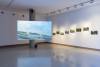
Shapeshifter is the first UK solo exhibition by acclaimed performance and video artist Chikako Yamashiro (b. 1976, Okinawa, Japan), presented at White Rainbow, Fitzrovia, London. Yamashiro’s practice examines the political, social and cultural histories of Okinawa, questioning dominant accounts of Japanese and American occupation and the continuing presence of US military bases on the islands.
Yamashiro, winner of the Asian Art Award in 2017, draws on oral histories, personal experience and her own body to create haunting and often provocative works. Okinawa, the site of some of the fiercest battles between the United States and Japan during the Second World War, remains heavily affected by the presence of American military installations. Her work brings these histories into the present, exploring questions of memory, identity, displacement and political power.
Yamashiro’s early performance work OKINAWA TOURIST (2004) consists of three short performances to camera: Trip to Japan, Graveyard Eisa and I Like Okinawa Sweet. Taking its name from a tourism operator on the island, the work parodies the conventions of tourism and the ways in which images of Okinawa can obscure its complex political realities. Whether eating ice cream in front of a military base or performing a traditional Okinawan dance in a graveyard, Yamashiro uses humour and absurdity to expose the continuing impact of military occupation on everyday life.
In Seaweed Woman (2008), Yamashiro transforms herself into a mythical sea creature. The photographic series depicts the artist covered in seaweed and floating in the waters off Henoko, an area known for its coral reefs and dugong population before the construction of a new American military facility. The work uses the artist’s body as a metaphor for Okinawan subjugation, while its underwater imagery creates an alternative perspective on the contested landscape.
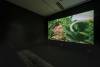
More recently, Yamashiro shifted from performing exclusively in her own works to incorporating other performers and protagonists. Mud Man (2016), filmed in South Korea’s Jeju Island and Okinawa, features a male protagonist for the first time. Moving between Japanese and Korean languages, the film juxtaposes the landscapes and histories of the two islands, continuing Yamashiro’s interest in the body and earth as metaphors for political identity.
Mud Man was presented in White Rainbow’s purpose-built cinema space. The accompanying monograph includes installation photographs, a newly commissioned essay by Isabella Maidment and an artist response by Claire Potter.









Bio
Chikako Yamashiro (b. 1976, Okinawa, Japan) is a Japanese contemporary artist and filmmaker whose practice encompasses photography, video and performance. Her work explores the history, politics and culture of Okinawa, as well as broader questions of identity, memory, life and death, and the transmission of historical experience.
Yamashiro has exhibited internationally at institutions including the Tokyo Photographic Art Museum, Marugame Genichiro-Inokuma Museum of Contemporary Art and Dundee Contemporary Arts. Recent exhibitions include Flowers of Belau at MIMOCA, Kagawa (2023), The Song of the Land at Centro de Arte Moderna Gulbenkian, Lisbon (2024–25), Jam Session: In the midst of at Artizon Museum, Tokyo (2025–26), and Recalling(s) – Theatrical Version at Naha Cultural Arts Theater NAHArt (2025–26).
Project Details
Year: 2018
Artist: Chikako Yamashiro
Exhibition: Shapeshifter
Venue: White Rainbow, Fitzrovia, London
Format: Solo exhibition
Works: Video, photography and performance
Publication: Monograph featuring an essay by Isabella Maidment and artist response by Claire Potter
Country: United Kingdom