Rotimi Fani-Kayode (1955–1989), a Nigerian-born British artist and photographer, is renowned for his deeply evocative work exploring identity, sexuality, spirituality, and the cultural complexities of the African diaspora. Working primarily in staged black-and-white photography, he challenged Western representations of the Black body while examining themes of desire, ritual, and displacement. His images often combine elements of Yoruba spirituality, classical symbolism, and intimate portraiture, creating a visual language that confronts both racism and homophobia while reclaiming agency over Black queer identity.
Born in Lagos, Nigeria, Fani-Kayode moved to the United Kingdom during childhood after political upheaval in Nigeria. He later studied in the Washington, D.C. at Georgetown University before returning to London to study fine art photography at Pratt Institute. Living and working in London during the 1980s, he became an influential figure within Britain’s emerging Black arts movement, using photography to explore the tensions between African heritage and Western cultural frameworks.
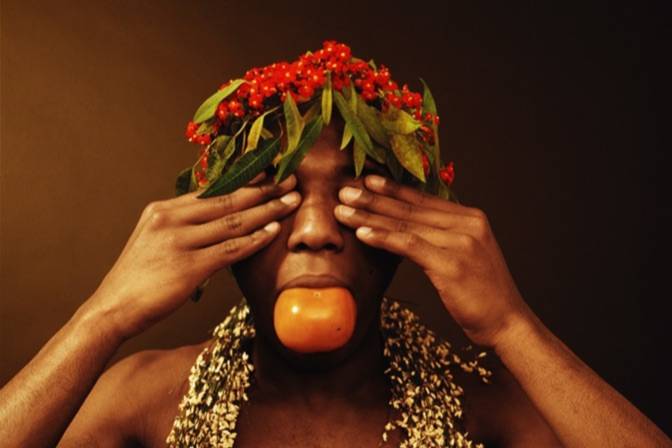

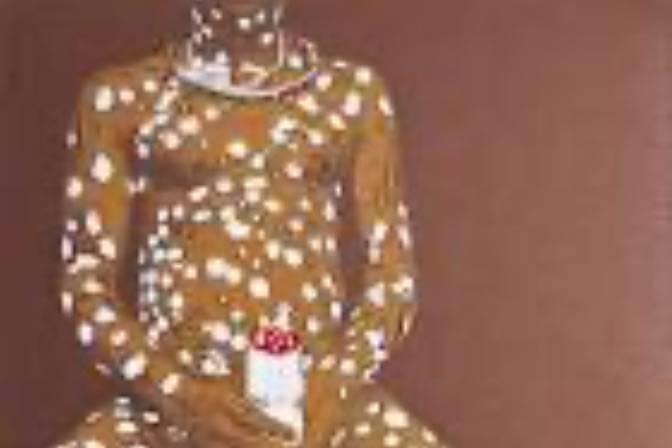
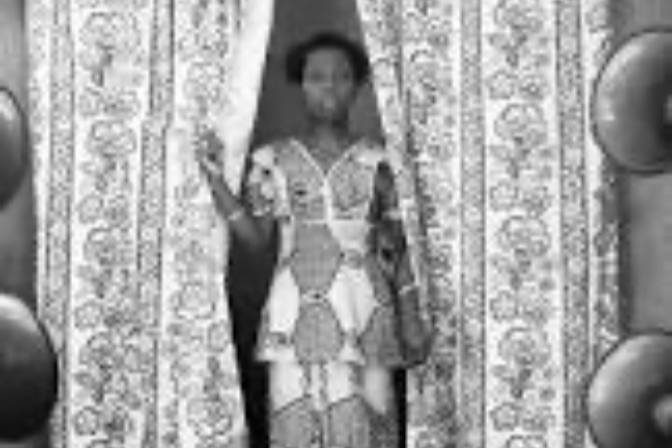
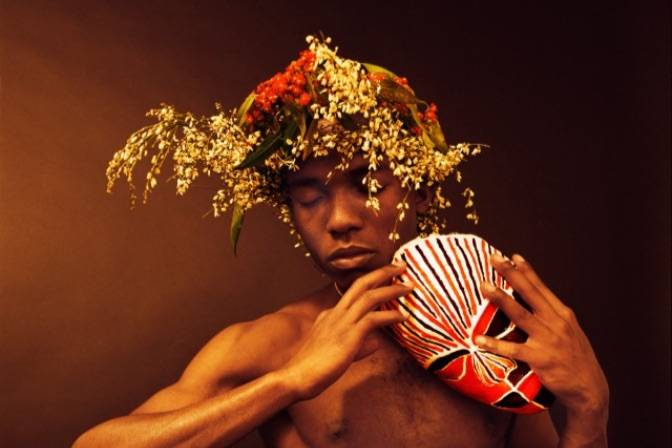
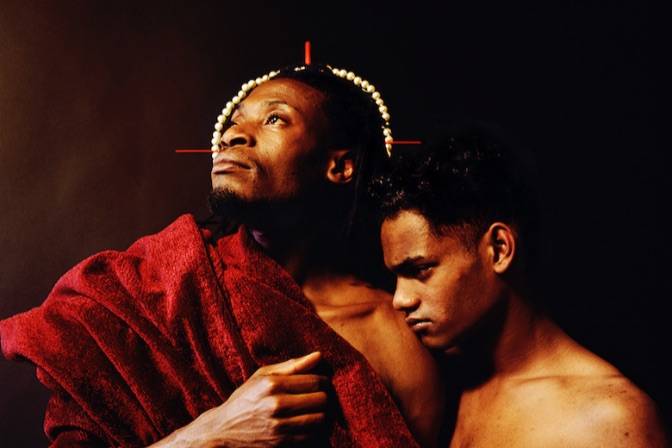
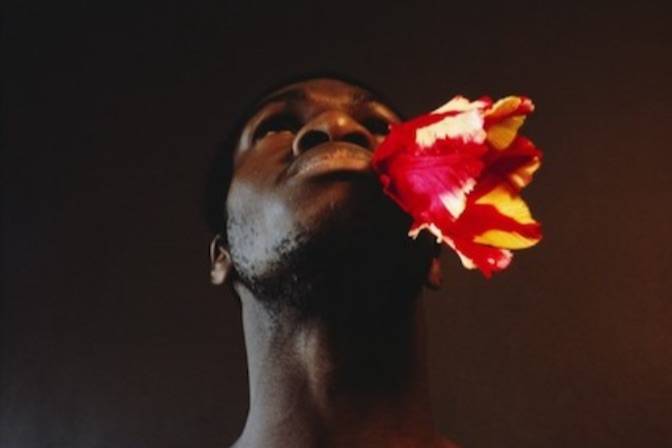
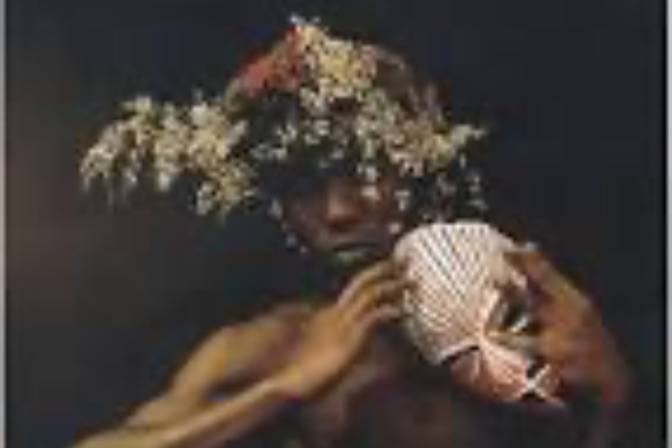
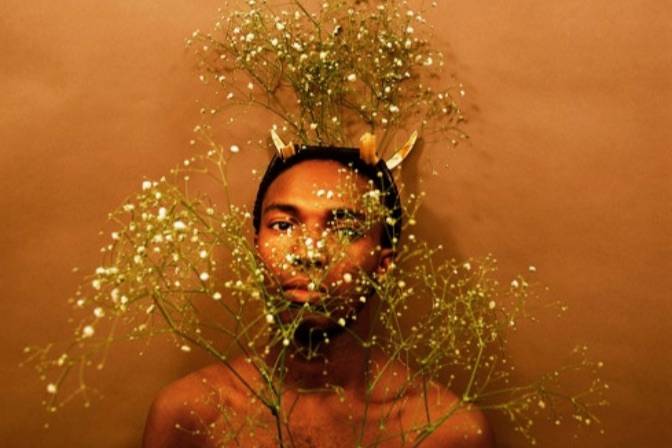
Fani-Kayode’s photographs frequently depict ritualistic scenes and symbolic gestures, often featuring Black male figures in carefully constructed environments. Through works such as Sonponnoi (1987) and Every Moment Counts (1989), he fused Yoruba cosmology with contemporary queer experience, presenting the body as a site of spiritual and political meaning. His work also responded to the social climate of the 1980s, including the marginalization of Black communities and the intensifying crisis of HIV/AIDS, which deeply shaped the emotional urgency of his imagery.
In 1987, Fani-Kayode became a founding member and the first chair of Autograph ABP (the Association of Black Photographers), an organization established in London to support and promote the work of Black photographers in Britain. The collective played a significant role in expanding the visibility of artists of African and Caribbean descent and challenging institutional barriers within the art world.
Although his life was cut short when he died in London in 1989 from AIDS-related illness, Fani-Kayode’s legacy has grown steadily in the decades since. His work has been exhibited internationally at institutions such as Tate in London and International Center of Photography in New York. Today, he is widely regarded as a pioneering voice in photography whose work reshaped conversations around race, sexuality, spirituality, and diaspora in contemporary art.
The Photography of Rotimi Fani-Kayode was produced and exhibited at Watershed Photographic Gallery, with support from Arts Council England.